

Are you taking action on your survey results, or are they just collecting dust? Executives everywhere are searching for better ways to improve employee engagement, and the solutions are a dime a dozen. Do workers need
flexible schedules and
wellness programs to be more productive, or on-the-job perks and compensation-based
incentives? Are frequent pulse surveys fixing or exacerbating current issues with engagement? You can't know what’s going to be effective with your employees until you measure their current engagement. But you can’t measure until you ask the right questions. And you won't be able to ask the right questions until you have a clear plan for acquiring reliable insights—feedback you
need instead of what employees think you
want to hear—and acting on them. The problem is that many companies will conduct surveys that lead to one of two common scenarios:
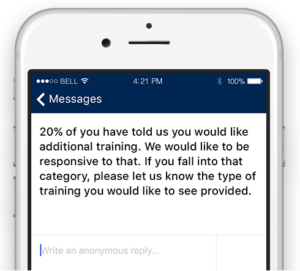 When pulse surveys lead to “survey fatigue” and result in unreliable feedback, it’s because they’re misused and sent too frequently. Quick polls, on the other hand, can be an incredibly effective way to get at the heart of specific engagement issues once problem areas have been discovered. Take 15Five's customer Arbor Homes, for example. When the company’s survey revealed that 20% of employees didn’t feel they were receiving enough training, leaders used a quick mobile poll to find out what types of training opportunities they’d like to see. Asking follow-up questions and making it easy for employees to respond both quickly and anonymously will allow you to act quickly on relevant, honest feedback.
- The results aren't specific enough to pinpoint opportunities for improvement, leading to actions that are too broad to be impactful.
- The data is too overwhelming to act on at all, which ultimately leads to inaction as disengagement grows.
1. Ask the “Right” Questions
When employee engagement surveys result in inaction, it's often because the questions are flawed. The most common mistake we’ve seen: asking questions that gauge job satisfaction but don't measure true engagement. By writing psychometrically valid questions—ones that get at the heart of psychological conditions proven to affect engagement—you’ll ensure your survey addresses engagement instead of satisfaction alone. This can be especially valuable any time leadership suspects potential problems within a particular department. By asking questions that are grounded in psychology, you can identify which specific issues need to be addressed by viewing the results based on things like team, tenure, and location.2. Ask Deeper Probing Questions
When pulse surveys lead to “survey fatigue” and result in unreliable feedback, it’s because they’re misused and sent too frequently. Quick polls, on the other hand, can be an incredibly effective way to get at the heart of specific engagement issues once problem areas have been discovered. Take 15Five's customer Arbor Homes, for example. When the company’s survey revealed that 20% of employees didn’t feel they were receiving enough training, leaders used a quick mobile poll to find out what types of training opportunities they’d like to see. Asking follow-up questions and making it easy for employees to respond both quickly and anonymously will allow you to act quickly on relevant, honest feedback.